The first world model
for people.
Language models read text. Our people world model understands how companies actually work: who builds what, who succeeds where, who is about to leave and who you need next. Orbit is the first, and it is built for hiring.
Who should we hire next for Platform?
Your team has four people who start projects and nobody who finishes them. Here are three who do, and none of them work at the brands everyone else is searching.
Why is our Data team losing people?
Two leads left after the reorg took their scope. Pay is in line. Expect the pattern to repeat.
Can we hit the Q4 launch with the team we have?
Not as it stands. Platform is two senior backend short, and those hires take you 70 days. 58 remain.
Recruiting AI made search faster.
It didn't make hiring better.
Not the problems in vendor decks. The ones talent leaders raise once the demo is over.
Everyone searches the same data.
Every tool sells the same people to every company in your market, so you all chase the same names.
None of them know your company.
They match a CV to a job description. Your team, your leaders and what has worked for you never come into it.
Your hiring trains your competitors.
What you teach a shared tool about good candidates improves the profiles your rivals search next.
The best people are screened out unseen.
Thin profiles get ranked down, so the strongest candidate often never reaches a human. Only 21% of recruiters and hiring managers are very confident their systems are not rejecting qualified people.
Greenhouse, 2025 AI in Hiring Report
Scores nobody can defend.
A number you cannot explain is a number a hiring manager will not trust, and it is gone the moment they ask why.
Faster, and no more certain.
72% of talent professionals say AI made discovery faster. A third say their confidence in finding the right person has not moved.
TestGorilla, Recruiting in 2026
A language model reads text.
A people world model understands companies.
It is trained on how companies really work: how teams are built, how careers move, how work gets done and who succeeds where. Then it learns yours, privately.
What becomes possible.
Hire for the team, not the job ad
Shortlists judged against who is already on the team and what it is missing.
Find the talent the market has mispriced
Proven people, outside the brands every other tool is bidding up.
Map any team, anywhere
The people who built a product, who stayed, who left and where they went.
Know why people leave
Read from what changed around them, not from what they said on the way out.
Staff the roadmap before it slips
Every goal matched to the team that must deliver it, against real time to hire.
Ask from anywhere you work
The same answers inside Claude, ChatGPT or Glean, signed in as you.
Meet Orbit.
First, it fixes hiring.
Our first model is a recruiter's right hand, not a replacement. It does the reading, searching and chasing, so your team can do the judgement only people can.
From job post to slate in 60 seconds
Orbit starts the moment a role goes live, and nothing is sent until a person says so.
Five independent signals of the work, none of them a brand. Fills Platform's scaling gap.
The candidate the market mispriced
Strong evidence, low visibility. The hire everyone else's tools rank down.
The shape of every team
Who starts, who scales, who multiplies, and which team is about to stall.
Private by design.
A strategic advantage by default.
Your model compounds with every hire. What it learns about your company stays yours, and never helps a competitor hire against you.
Read our security approach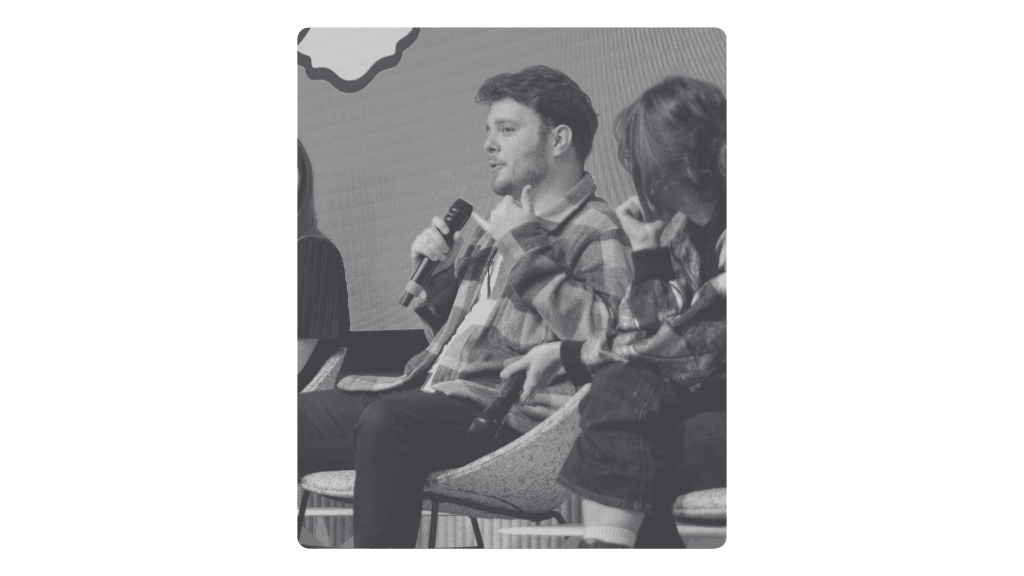
Airwallex and McKinsey
Built by someone who's led frontier hiring at Meta and Snap.
Recruiting is moving past keyword search toward models that read teams, not resumes. The next decade belongs to systems that understand how your company actually works and who succeeds inside it.
Halloway is building that layer. Orbit is our first people world model: private to you, built for the hiring calls that shape what your company becomes.
Orbit is a force multiplier, not a replacement.
Watch Orbit read your company.
A 30-minute live briefing: how Orbit maps your teams, finds the people the market missed and answers the questions your leaders ask.